Understanding Machinery Movers: The Essential Role in Industrial Relocations
In the world of heavy industry, the movement of machinery is a critical operation that requires a specialized skill set and a wealth of experience. Machinery movers play an essential role in ensuring that equipment is relocated safely and efficiently, minimizing the risk of damage and operational downtime. Companies and manufacturers searching for solutions to their moving challenges often rely on seasoned professionals to handle these complex tasks effectively. When exploring options, Machinery Movers provide comprehensive insights and services tailored to the specific requirements of every project.
What Are Machinery Movers?
Machinery movers are specialized service providers that focus on the transportation, rigging, and installation of heavy industrial equipment. Their expertise extends across various sectors, including manufacturing, construction, and logistics. These professionals are trained to handle a wide array of machinery, from precision tools to extensive manufacturing systems, ensuring that each piece is moved according to industry standards and safety protocols.
Key Services Provided by Machinery Movers
- Heavy Machinery Moving: The core service that involves physically relocating machinery from one location to another.
- Plant Relocation: Comprehensive services that include dismantling existing setups and reassembling them at a new site.
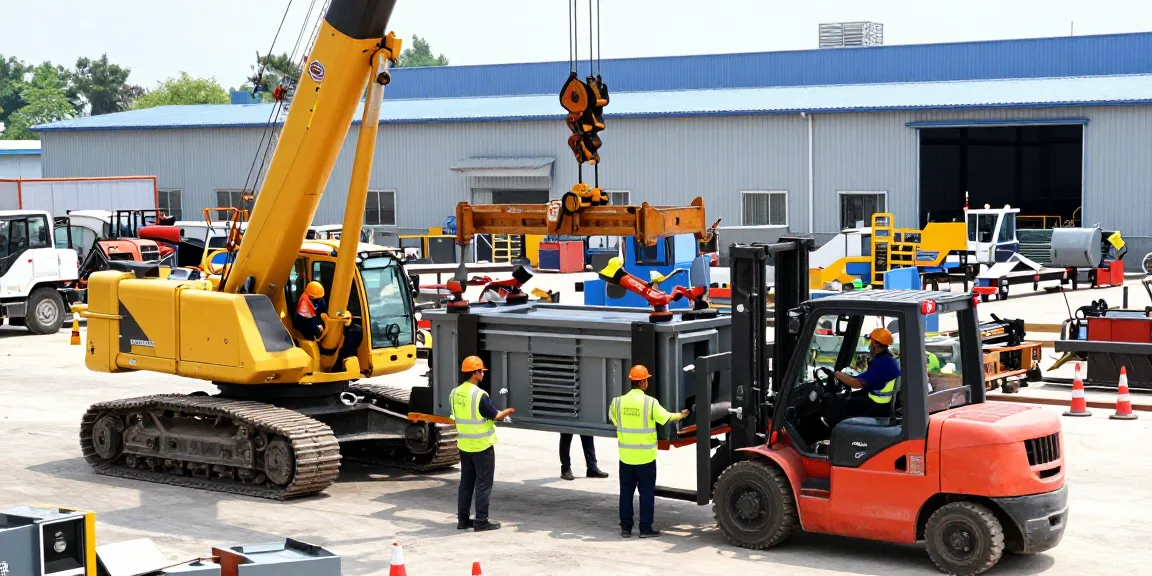
- Rigging and Hoisting: The use of cranes and other equipment to safely lift and reposition heavy machines during transport.
- Millwrighting: Installing and aligning machinery to ensure optimal performance in its new location.
- Consultation and Project Management: Offering expertise throughout the planning and execution phases to mitigate risks and ensure efficiency.
Benefits of Professional Machinery Moving
Hiring professional machinery movers comes with numerous benefits. These include:
- Safety: Experts prioritize safety, following rigorous protocols to protect both personnel and equipment.
- Efficiency: Their experience and specialized tools mean that machinery can often be relocated faster than if attempted by in-house teams.
- Reduced Downtime: By minimizing the time required for relocating equipment, businesses can maintain productivity levels.
- Cost-Effectiveness: Though an upfront investment, professional moves can save money in the long run by avoiding damage and compliance issues.
The Process of Machinery Moving: Step-by-Step Guide
Pre-Move Planning and Assessment
Every successful machinery move begins with thorough planning. This phase involves assessing the equipment to be moved, evaluating the space in both the current and future locations, and determining the logistics of transportation. A detailed inventory of all machinery helps in understanding the specific lifting and moving requirements, while also ensuring all necessary permits and safety measures are identified.
Equipment and Techniques Used in Machinery Moving
Machinery movers utilize a variety of equipment to safely transport heavy loads. Common tools include:
- Cranes: Essential for lifting heavy machinery vertically and navigating through tight spaces.
- Forklifts: Handy for moving equipment short distances once it is offloaded from trucks.
- Transport Trucks: Specialized vehicles designed to carry heavy loads securely.
- Slings and Hoists: Used in conjunction with cranes for safe lifting and handling of machinery.
Post-Move Evaluation and Follow-Up
Once the machinery has been relocated, a follow-up evaluation is crucial. This includes verifying that all equipment is installed correctly, operational, and compliant with safety standards. Any discrepancies should be addressed immediately to avoid operational disruptions. A successful move is reflected not just in the transfer of equipment, but in its continued performance after installation.
Challenges Faced by Machinery Movers in Toronto
Common Obstacles in Heavy Machinery Relocation
Machinery moving is not without its challenges. Common obstacles faced by machinery movers in Toronto include:
- Space Constraints: Narrow pathways and tight corners can complicate the moving process, requiring innovative rigging solutions.
- Weather Conditions: Outdoor moves are affected by rain, snow, and extreme temperatures, which can delay operations.
- Regulatory Compliance: Each move must adhere to local regulations regarding transportation safety and operational standards.
Safety Standards and Compliance Issues
Safety must always be the top priority in machinery moving. Compliance with local safety standards, such as those set by the Occupational Safety and Health Administration (OSHA), is essential to mitigate risks. Machinery movers must be well-versed in these regulations to protect their crews and clients, ensuring that all safety protocols are followed throughout the moving process.
Time Constraints and Efficient Planning
Time constraints can significantly impact machinery moves. Companies often operate under tight deadlines, which demand meticulous planning. Efficient scheduling, resource allocation, and contingency planning are vital to ensure that timelines are met without sacrificing safety or quality.
Case Studies: Successful Machinery Relocations in the GTA
Industrial Facility Relocation Examples
Several successful case studies highlight the expertise of machinery movers in the Greater Toronto Area (GTA). For instance, a recent project involved relocating a large manufacturing facility from one end of the city to another. The process required careful dismantling of complex machinery, transportation, and then reassembly, all while avoiding disruption to production schedules.
Innovative Solutions for Complex Moves
In another example, a company faced significant challenges moving a specialized piece of equipment that could not be disassembled. The machinery movers devised an innovative rigging solution that allowed the equipment to be safely transported in one piece, demonstrating their ability to think outside the box and provide custom solutions tailored to specific challenges.
Client Testimonials and Feedback
Feedback from clients often underscores the value of professional machinery movers. Many express their appreciation for the thoroughness of the planning process and the professionalism of the crew, emphasizing how crucial these elements are in ensuring a successful move.
The Future of Machinery Movers: Trends and Innovations for 2026
Emerging Technologies in Machinery Moving
As technology evolves, so too does the field of machinery moving. Innovations such as automated lifting systems, drone-assisted logistics, and advanced project management software are set to transform traditional practices, enabling even greater efficiency and safety in heavy machinery relocation.
Sustainability Practices in the Industry
With increasing global focus on sustainability, machinery movers are also adapting their practices. This includes using fuel-efficient transportation methods, minimizing waste during the moving process, and considering eco-friendly materials for packing and rigging.
Predictions for Machinery Moving Services
Looking ahead to 2026, the machinery moving industry is expected to see growth along with further specialization. As industries continue to expand, the demand for capable machinery movers who can handle complex relocations efficiently will only increase. Furthermore, continuous professional development and training will be pivotal in keeping up with emerging technologies and safety regulations.
What types of industries benefit from machinery movers?
Machinery movers serve a broad range of industries, including manufacturing, construction, healthcare, and logistics. Each sector has unique equipment and operational needs, making specialized machinery moving services indispensable.
How do I choose the right machinery moving company?
Selecting the right machinery moving company involves several key considerations: experience, reputation, insurance coverage, and customer feedback. It’s critical to choose a provider that specializes in your type of equipment and has a proven track record of successful relocations.
What safety measures should be in place during a move?
Effective safety measures include thorough risk assessments, appropriate use of PPE (personal protective equipment), adherence to regulations, and comprehensive training for all staff involved in the move. Communication is also key, ensuring that everyone is aware of their roles and the safety protocols in place.
Can machinery movers handle international relocations?
Yes, many machinery movers have the capability to handle international relocations. This often requires additional considerations, such as customs regulations, international transport logistics, and coordination with local agencies at the destination.
What is the typical timeline for a machinery move?
The timeline for a machinery move can vary significantly based on the complexity of the project, the distance involved, and the size of the machinery. Typically, a simple relocation might take a few days, while larger, more complex moves can require weeks of planning and execution.