Understanding the Spa Advertising Landscape
The spa industry has witnessed tremendous growth in recent years, fueled by increasing consumer awareness of self-care and wellness. As spas aim to attract more clients in a competitive market, effective advertising strategies have become essential. With the rise of digital channels, spa businesses must adapt their marketing approaches to stay relevant. Understanding the nuances of spa advertising can help businesses craft messages that resonate with their target audience. When exploring options, Spa Ad strategies can provide comprehensive insights into creating impactful campaigns that drive customer engagement.
Current Trends in Spa Advertising
In 2026, several key trends are shaping the advertising landscape for spas. Personalization is at the forefront, with brands using data analytics to create tailored experiences for clients. Consumers are increasingly looking for customized services that cater to their individual needs and preferences. To effectively capture this market, spas are investing in targeted advertising that emphasizes personalized care and unique offerings.
Another trend is the emphasis on sustainability. Many consumers prefer businesses that demonstrate eco-friendly practices and social responsibility. Spa advertisements that highlight these values can achieve greater appeal among environmentally conscious clients.
Moreover, as digital platforms continue to dominate, spas are also focusing on integrating technology into their advertising strategies. Utilizing virtual tours, online booking systems, and engaging content on social media allows spas to enhance the customer experience and streamline client interactions.
Target Audience Insights for Spa Ads
To effectively reach potential clients, spas must have a clear understanding of their target audience. Different segments may include young professionals seeking relaxation, families interested in wellness experiences, or older adults looking for therapeutic treatments. Each group has unique needs and preferences, and spa advertisements should reflect this diversity.
Millennials, for example, are more inclined towards experiences than products. They value self-care and are likely to respond positively to ads featuring wellness retreats or holistic treatments. On the other hand, older demographics may prioritize health benefits and therapeutic services, indicating the need for different messaging strategies in spa ads.
Common Challenges in Spa Marketing
Despite the growing interest in wellness, spa marketing faces several challenges. One significant hurdle is standing out in a saturated market. With numerous spas offering similar services, developing a unique selling proposition (USP) is critical. Advertisements should not just focus on services but also highlight the unique atmosphere, expert staff, and exclusive experiences offered.
Moreover, fluctuations in consumer preferences can make it difficult for spas to maintain consistency in their advertising efforts. Continuous market research and flexibility in adapting marketing strategies are necessary to keep up with changing trends and customer expectations.
Crafting Compelling Spa Ad Content
Creating effective spa ads requires a keen understanding of what resonates with potential clients. Compelling content not only engages but also converts interest into bookings. Here are some essential elements to consider when crafting spa advertisements.
Key Elements of an Effective Spa Ad
Effective spa advertisements should have a captivating headline, a clear call to action, and enticing visuals. The headline should grab attention and succinctly convey the primary benefit of the spa’s offerings. For example, instead of saying “Relaxing Massage Services,” a more engaging headline could be “Unwind in Paradise: Experience Our Revitalizing Massages.”
A direct call to action is crucial in guiding potential clients on the next steps, whether it’s booking an appointment or visiting a website for more information. For instance, phrases like “Book Your Escape Today!” or “Reserve Your Healing Experience Now!” prompt immediate action.
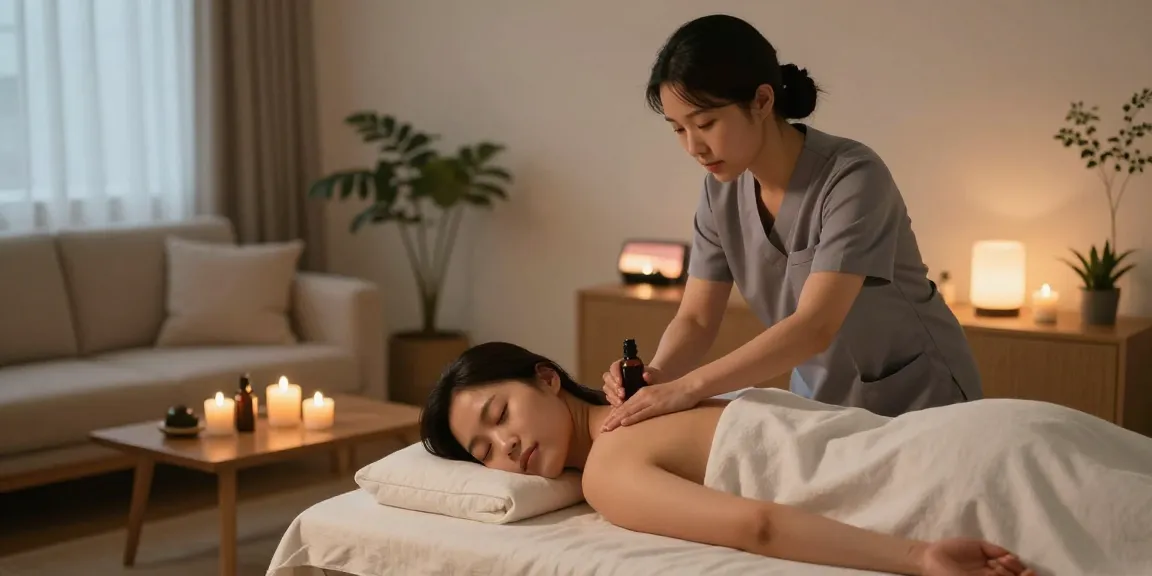
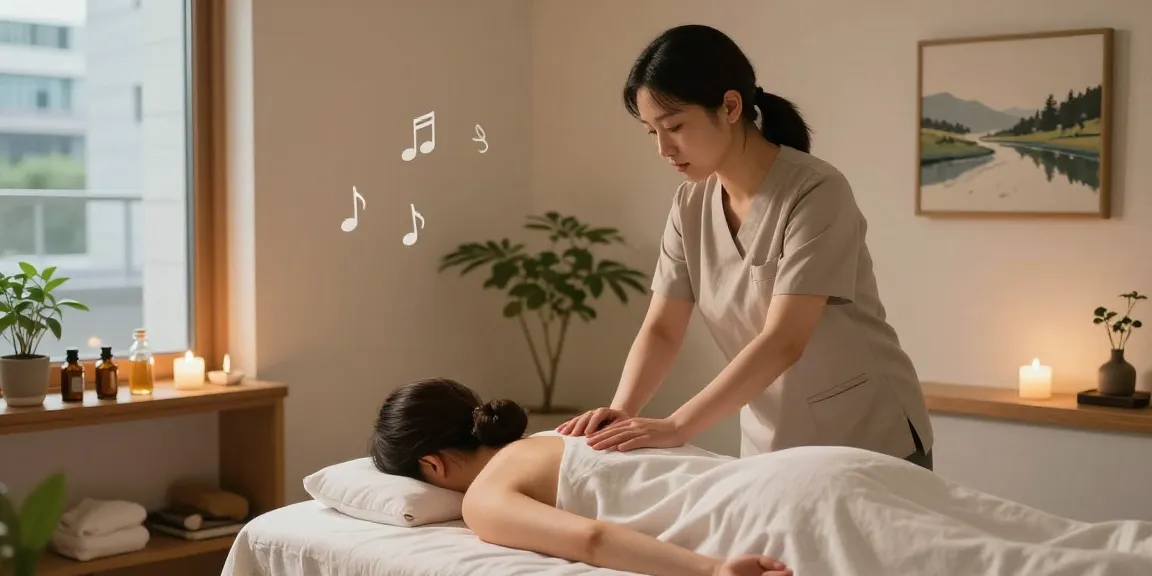
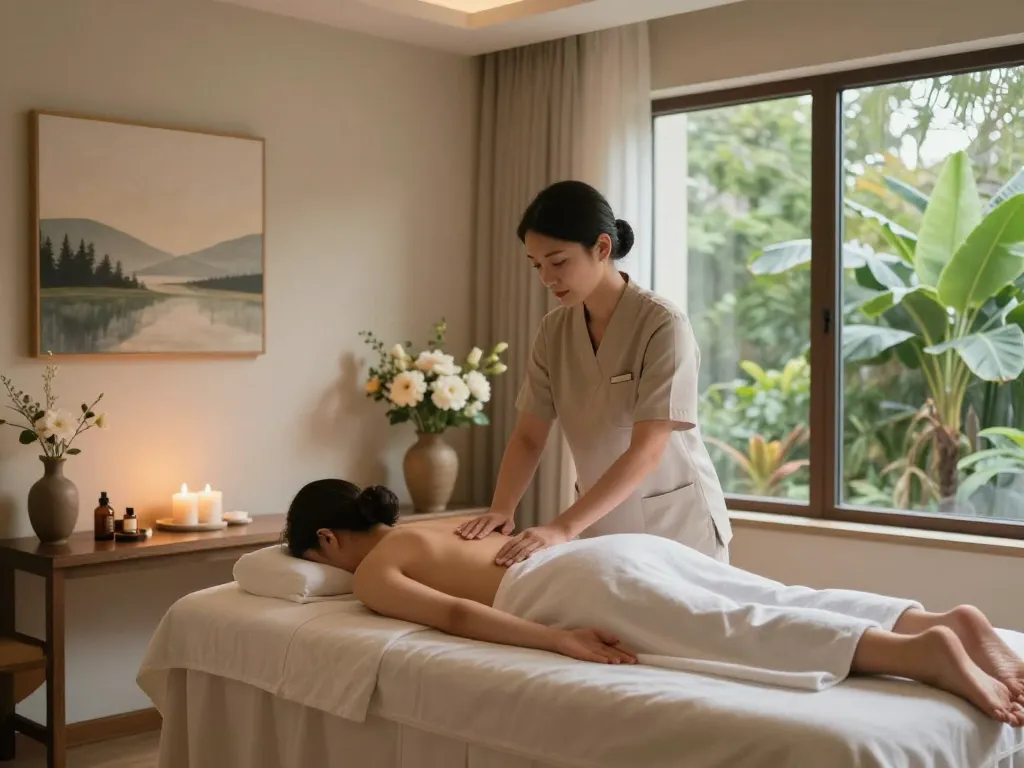
Lastly, high-quality images showcasing the serene environment, services, and happy clients can significantly enhance the appeal of spa ads. Visual content plays a significant role in evoking emotions and attracting attention.
Using Evocative Language and Imagery
Words have the power to evoke emotions and create a connection with potential clients. Using evocative language in spa ads can transport readers to a calming environment, making them envision themselves indulging in luxurious treatments. Descriptive phrases like “immerse yourself in tranquility” or “rejuvenate your senses” can entice potential customers and promote a sense of well-being.
Incorporating storytelling into spa advertisements can be equally effective. Sharing testimonials or presenting a narrative about a client’s transformative experience can resonate more deeply than just listing services. Engaging stories about the benefits of different treatments can foster trust and create an emotional bond with the audience.
Best Practices for Visuals in Spa Ads
Visuals are a critical part of spa advertising. High-quality images that represent the spa’s ambiance, staff, and services should be used strategically throughout promotional materials. Consistency in branding, color schemes, and imagery can reinforce the spa’s identity and make ads more recognizable.
Additionally, utilizing video content can be a powerful tool to showcase services in action. Videos can illustrate the relaxing atmosphere and demonstrate treatment processes, making potential clients more comfortable about what to expect.
Utilizing Digital Platforms for Spa Advertising
As traditional marketing methods evolve, spas must embrace digital platforms for advertising to reach a broader audience effectively. Leveraging social media, email marketing, and influencer partnerships can significantly enhance the visibility and engagement of spa services.
Social Media Strategies for Spa Promotion
Social media is vital for modern spa advertising. Platforms like Instagram, Facebook, and Pinterest allow spas to showcase their unique offerings visually. Regularly posting engaging content, including promotions, client testimonials, and behind-the-scenes looks, can help build a loyal community online.
Using targeted ads on these platforms can also extend reach to specific demographics. For instance, Facebook’s advertising tools allow targeting based on interests, location, and behaviors, ensuring that the right message reaches the intended audience.
Email Marketing Techniques for Spas
Email marketing remains a powerful tool for spas to reach both new and returning clients. Regular newsletters can keep clients informed about upcoming promotions, seasonal treatments, or wellness tips, keeping the spa top-of-mind.
Personalizing emails can significantly enhance engagement. Addressing clients by their names and tailoring content to their past visits can create a more intimate connection, making clients feel valued and more likely to revisit.
Leveraging Influencers in the Spa Industry
Partnering with influencers can expand a spa’s reach and credibility. Influencers can introduce the spa to their followers, who trust their recommendations. This approach can be particularly effective for spas targeting younger audiences who are heavily influenced by social media personalities.
When collaborating with influencers, spas should look for individuals whose values align with their brand. Authentic partnerships lead to more genuine content and a better reception from followers.
Measuring Spa Ad Success
For any advertising strategy to be effective, it’s crucial to assess its performance regularly. By analyzing key performance indicators (KPIs) and customer feedback, spas can gauge the success of their marketing efforts and make necessary adjustments.
Key Performance Indicators for Spa Marketing
Trackable metrics like conversion rates, click-through rates, and engagement levels provide insights into the effectiveness of spa advertising campaigns. Setting specific targets for these metrics can help gauge success over time.
Additionally, monitoring online bookings and appointment requests can reveal how well ads translate into actual business. This data is vital for determining which advertising channels yield the best results.
Analyzing Customer Feedback and Engagement
Customer feedback is invaluable for refining spa advertising efforts. Gathering reviews and testimonials from clients can provide insights into what works and what doesn’t. Engaging with clients through surveys allows spas to understand their preferences and areas for improvement.
Furthermore, monitoring social media engagement—likes, shares, and comments—can provide a real-time gauge of how the audience interacts with the content. This allows spas to tweak their marketing strategies effectively.
Adjusting Strategies Based on Analytics
Regularly reviewing analytics allows spas to be proactive rather than reactive. If certain ads are underperforming, it’s essential to identify the reasons behind it and make necessary adjustments. This could involve changing the imagery, wording, or even the targeted audience for better results.
Flexibility and adaptability are key in the fast-paced world of digital advertising, especially in the spa industry, where trends can shift rapidly.
Future Predictive Trends in Spa Advertising
Looking ahead, several predictive trends are likely to shape the landscape of spa advertising in the coming years. By being proactive and adapting to these changes, spas can position themselves for continued success.
Emerging Technologies Impacting Spa Marketing
The rise of artificial intelligence (AI) and machine learning is set to revolutionize how spas engage with clients. Chatbots, for instance, can provide immediate assistance on websites, answering common queries and facilitating bookings without human intervention. Additionally, AI can analyze customer data to personalize marketing efforts further.
Augmented reality (AR) is another technology that could enhance client experience by allowing potential clients to visualize services before booking. For example, clients could use AR to see how a facial treatment might improve their skin.
Shifts in Consumer Behavior and Expectations
Post-pandemic, consumers have become more health-conscious and are prioritizing wellness. This shift will impact spa advertising strategies, with a greater focus on health benefits and hygiene practices in promotional content. Clients will expect transparency regarding safety protocols and the efficacy of treatments.
Moreover, the demand for holistic services that address mental, physical, and emotional well-being is becoming more pronounced. Spas that can market these comprehensive wellness offerings will likely attract a more extensive client base.
Preparing for the Future of Spa Advertising
To prepare for the evolving landscape, spas must stay informed of the latest marketing trends and technologies. Investing in data analytics tools can provide insights into customer behavior, allowing spas to tailor their services and marketing strategies accordingly.
Ultimately, fostering an adaptable and innovative mindset will be crucial for spas striving to thrive in the competitive advertising landscape. By embracing change and focusing on the client experience, spas can ensure they remain relevant and appealing to their target audiences.
What are the best practices for creating a spa ad?
Best practices include using compelling visuals, captivating headlines, and clear calls to action. Additionally, employing emotional language and storytelling can help connect with the audience.
How can social media impact spa advertising?
Social media enhances brand visibility, fosters community engagement, and allows for targeted advertising. Effective social strategies can drive traffic to spa websites and increase bookings.
What metrics should I track for my spa ads?
Key metrics to track include conversion rates, click-through rates, customer engagement levels, and online booking statistics. Regular analysis will help optimize advertising efforts.
How can I utilize influencers for my spa marketing?
Collaborating with influencers who align with your brand can extend your reach. Authentic partnerships encourage genuine content that resonates with potential clients.
What are the current trends in spa advertising for 2026?
Trends include personalization, sustainability, increased use of technology, and a focus on holistic wellness. Adapting to these trends can help spas maintain relevance in a competitive market.